
In high-precision machinery, even small components can impact performance. Chrome rods are essential for smooth, accurate, and reliable linear motion, offering excellent hardness, wear resistance, and corrosion protection while withstanding heavy loads and repeated use.
Used in industrial automation, CNC machines, and hydraulic cylinders, their mirror-like surface reduces friction and ensures consistent movement. This article explores why chrome rods are vital for linear motion systems, how their manufacturing enhances performance, and maintenance tips to keep them operating efficiently.
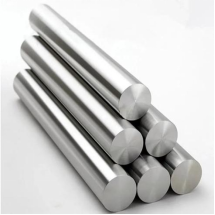
Chrome Rods Properties
Hardness and Wear Resistance
Chrome rods deliver enhanced hardness, which helps them withstand heavy loads and repeated cycles. Their high Rockwell hardness gives them excellent wear resistance, making them ideal for linear motion systems that demand long service life. Engineers choose these rods because they maintain their shape and surface quality even after extensive use.
Corrosion Protection
Corrosion can quickly damage metal components, especially in humid or chemically aggressive environments. Chrome rods feature a protective layer that shields the steel core from moisture and chemicals. This corrosion protection extends the lifespan of the rods and ensures reliable operation in harsh conditions.
Surface Finish and Friction
A mirror-like surface finish sets chrome rods apart from other materials. This smooth finish reduces friction between moving parts, which helps prevent premature wear. Lower friction also means that linear motion systems operate more efficiently and with greater precision.
l Reduced friction leads to quieter operation and less heat buildup.
l Consistent surface quality supports smooth, uninterrupted movement.
High Strength and Toughness
High strength allows chrome rods to support significant loads without bending or breaking. Their toughness ensures they resist impact and sudden forces during operation. These properties make chrome rods a dependable choice for demanding industrial applications.
Precision Chrome-Plated Steel Bars Manufacturing
Material Selection
Manufacturers choose high-quality steel for precision chrome-plated steel bars. The steel must have uniform composition and minimal impurities. This careful selection helps the bars achieve consistent strength and durability.
Precision chrome-plated steel bars require strict standards for straightness and diameter. Engineers inspect the raw steel to confirm it meets these requirements. The right material forms the foundation for reliable linear motion systems.
Chrome Plating Process
The chrome plating process gives precision chrome-plated steel bars their signature hardness and smooth finish. Workers clean and polish the steel before applying the chrome layer. This step removes any dirt or oil that could affect the coating.
Electroplating covers the steel with a thin, even layer of chrome. The process controls thickness to ensure each precision chrome-plated steel bar meets exact specifications. The chrome layer protects the steel from corrosion and wear.
A final polishing step creates a mirror-like surface. This finish lowers friction and improves movement in linear motion systems. Precision chrome-plated steel bars gain their unique properties through this careful process.
Quality Control
Quality control checks every precision chrome-plated steel bar for defects. Inspectors measure diameter, straightness, and surface finish. They use special tools to detect even small imperfections.
Manufacturers test the chrome layer for hardness and adhesion. Precision chrome-plated steel bars must pass these tests before shipment. Reliable quality control ensures the bars perform well in demanding applications.
l Consistent quality means fewer failures and longer service life.
l Precision chrome-plated steel bars support smooth, accurate movement in linear motion systems.
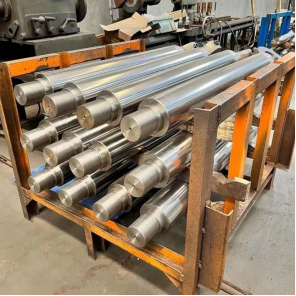
Linear Motion Systems Applications
Industrial Automation
Industrial automation relies on chrome rods for precise movement. Engineers use l m shaft as linear bearing shafts in conveyor systems and assembly lines. These linear motion components help machines move smoothly and accurately.
Hydraulic Cylinders
Hydraulic cylinders need strong and durable linear motion shafts to operate under high pressure. Chrome rods serve as the main linear motion shaft inside the cylinder. The smooth surface finish of the l m shaft improves seal performance and prevents leaks.
l Reliable seals keep hydraulic systems efficient and safe.
l Chrome rods resist corrosion, which is important for cylinders exposed to moisture or chemicals.
CNC and Robotics
CNC machines and robots depend on l m shaft for accurate positioning. Chrome rods act as linear motion shaft in guide rails and actuators. These linear motion systems require consistent movement to produce precise parts and control robotic arms.
| Application Area | Role of l m shaft | Benefit |
| Industrial Automation | Linear bearing shaft | Smooth, accurate movement |
| Hydraulic Cylinders | Main shaft | Enhanced seal, leak prevention |
| CNC/Robotics | Guide rails, actuators | Precision, durability |
Chrome rods play a key role in many linear motion systems. Their use as l m shaft ensures reliable operation and long service life.
Maintenance and Care
Regular cleaning
Regular cleaning keeps chrome rods in top condition. Dust, dirt, and debris can build up on the surface and cause scratches or increased friction. Technicians should use a soft, lint-free cloth to wipe the rods and remove any contaminants.
A simple cleaning routine helps maintain the mirror finish and ensures smooth movement in linear motion systems.
Proper lubrication
Lubrication reduces friction and prevents wear on chrome rods. Maintenance teams should apply the recommended lubricant for the specific application. The right lubricant forms a thin film that protects the rod and moving parts.
l Use only lubricants that are compatible with chrome surfaces.
l Apply lubricant evenly along the length of the rod.
l Reapply lubricant at regular intervals based on system usage.
Proper lubrication also helps prevent rust and corrosion, especially in humid environments.
Periodic inspection for wear and corrosion
Regular inspections help identify early signs of wear or corrosion. Technicians should look for scratches, pitting, or discoloration on the chrome surface. Early detection allows for quick repairs or replacement before major problems develop.
| Inspection Checklist | What to Look For | Action Needed |
| Surface scratches | Visible lines or marks | Clean or polish |
| Corrosion spots | Rust or discoloration | Remove and protect |
| Uneven wear | Flat spots or grooves | Replace rod |
Consistent care extends the life of chrome rods and keeps linear motion systems running smoothly.
Conclusion
Chrome rods are a critical component for any linear motion system, offering unmatched hardness, wear resistance, and corrosion protection. Their smooth, mirror-like surface ensures minimal friction, precise movement, and long-term reliability across applications such as industrial automation, CNC machinery, and hydraulic cylinders.
The precision manufacturing process, combined with proper maintenance—including regular cleaning, lubrication, and inspection—further enhances their performance and lifespan.
By choosing high-quality chrome rods and adhering to best practices, engineers can ensure that their linear motion systems operate efficiently, accurately, and reliably for years to come.