
What Most Steel Warehouses Get Wrong About Storage Efficiency
At home, finding space for everyday items can feel like a constant puzzle. People group belongings in cupboards, stack boxes neatly, or rearrange furniture to make room. These small adjustments help maximize limited space and keep things accessible.
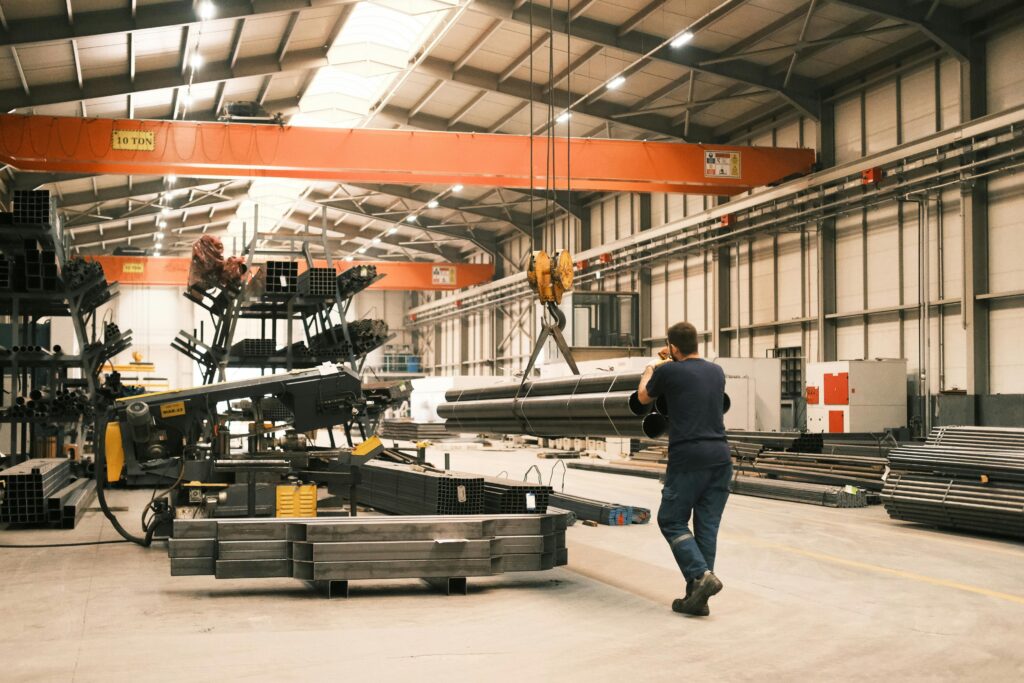
Now consider that same idea on a much larger scale. Steel warehouses, filled with heavy materials and fast moving goods, require even more planning when it comes to storage. Many facilities struggle because they assume storage efficiency simply means fitting more items into the available space.
Storage efficiency is not only about capacity. It also involves how smoothly goods move through the building, how easily staff can access stock, and how much time is spent traveling between locations. When these elements work together, warehouses save time, reduce costs, and make better use of space.
Misunderstanding Layout Efficiency
Many warehouses appear busy, but that does not mean they are well organized. A layout can look full while still slowing down daily operations. When shelves are placed too closely together or aisles are too narrow, routine tasks take longer and require more effort.
In many cases, storage systems are installed without considering worker and equipment movement. Employees may be forced to take longer routes or wait for aisles to clear. Over time, these delays reduce productivity and increase the risk of accidents.
One common solution is the pallet rack storage system, which keeps inventory organized and off the floor. However, problems arise when racks are installed without planning how goods enter, move through, and exit the space. Racks that block access points or create dead ends become obstacles rather than improvements.
Planning the layout before installing racks or shelving saves time and resources in the long run. High turnover items should be placed in easy to reach locations, while slower moving stock can be stored further away. A thoughtful layout reduces unnecessary movement and helps staff work more efficiently.
Overlooking Vertical Space
In many warehouses, the ceiling area remains largely unused. This empty vertical space represents missed storage potential that could reduce pressure on floor level areas. Ignoring it results in wasted square footage.
Steel warehouses are designed to support height, not just provide shelter. They are built to accommodate storage from floor to ceiling. Adding vertical racking systems or stackable storage allows businesses to use the full volume of the building.
Stacking higher must be done safely and strategically. Strong racking systems, clear labeling, and proper spacing are essential. Workers also need suitable equipment, such as lift trucks or approved ladders, to access higher levels efficiently and safely.
Using vertical space effectively can expand storage capacity without increasing the warehouse footprint. It also opens walkways, reduces clutter, and improves visibility. These changes support faster movement and simpler inventory control.
Using the Wrong Storage Equipment
Not all inventory requires the same type of storage, yet many warehouses rely on uniform systems for all goods. This approach often leads to inefficiencies, damage, or misplaced items.
Some products are best stored in bins or drawers, while heavier items require reinforced shelving. Fragile or high value goods may need padded compartments or secure enclosures. Choosing inappropriate equipment increases handling time and raises the risk of loss or damage.
Custom storage solutions do not have to be costly. Small adjustments, such as adding dividers, using modular shelving, or replacing outdated racks, can greatly improve organization. When items are stored according to their specific needs, they are easier to locate and faster to process.
In high volume environments where staff handle dozens of items each hour, even minor delays quickly add up. Proper storage tools reduce physical effort and streamline daily tasks.
Neglecting Flow and Accessibility
Speed is critical in warehouse operations. When layouts force workers to zigzag across the floor or search for tools, productivity suffers. Poor organization leads to congestion, repeated steps, and frustration.
Storage efficiency also depends on how inventory flows through the space. Incoming goods should never block exits or active work areas, and outgoing orders should not be buried behind unused stock. Clear paths and logical placement allow staff to work without interruption.
A well planned setup positions items based on usage frequency. High demand products should be near packing or shipping areas, while seasonal or rarely used stock can be stored further away. This simple adjustment can significantly improve daily efficiency without increasing costs.
Equipment placement also affects flow. When forklifts, carts, or packing supplies are stored far from where they are needed, simple tasks take longer than necessary. Grouping tools and inventory by task or destination helps create a natural and efficient workflow.
Lack of Regular Audits and Updates
Warehouses that do not review their storage setup often fall behind. A layout that worked in the past may no longer suit new product lines, higher order volumes, or faster delivery expectations. Over time, outdated systems limit performance.
Regular walk through audits help identify issues early. Managers can spot unused areas, unsafe stacking practices, or inefficient rack placement. Small updates, such as relocating high volume items closer to workstations, can deliver noticeable improvements.
Ongoing reviews do not require major overhauls. Monthly checks or seasonal evaluations keep the warehouse aligned with current demand. This approach prevents bottlenecks and supports steady operations.
Regular reviews also encourage staff feedback, which often reveals practical insights about daily challenges. Including employees in the evaluation process helps identify overlooked issues and fosters a sense of shared responsibility for efficiency.
Final Words
Storage efficiency is not just about fitting more items into a building. It is about movement, accessibility, and how well the space supports daily operations. Even modest changes can improve speed, safety, and organization. If a warehouse feels crowded or slow, it may be time to reassess how the available space is being used.